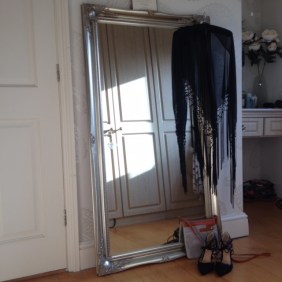
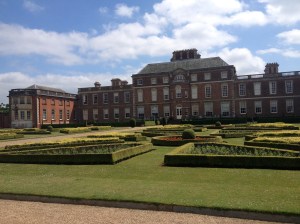
Kitchen Makeover Update!

Welcome, this week I write with the good news that with my kitchen makeover now complete I submitted the results to my course tutor and now have the news that I have now gained my certificate in Home Styling!

IMG_1527

To complete my assignment I had to submit two before and after photos and had to write the story of the transformation as below:

and now for the after shots……….

I am pretty pleased with the results, if I do say so myself!  It did take a lot of hard work and some expense which is why I had to spread it out over a few months but I do think all the effort has been worthwhile.  My tutor had some good comments about the the new brightness of the room but did make a suggestion that it would help to paint the window surround to blend in with the new grey shelves.  I totally agree, but unfortunately at the moment I think that would be one step too much for hubby, so they will stay as they are for now.

Please find below my story:

For this assignment I have chosen my kitchen as I would possibly like to move house in the not too distant future and thought that this room particularly was letting our house down.  In reality if budget allowed I would like to knock through to the dining room and make one large open plan space.  However this is not the point of home styling.  Home styling is all about making the most of what you have with some tweaks here and there to make the room much more appealing to a wide range of perspective purchasers in order that they can imagine themselves living in the space.

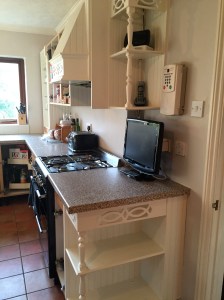
As you can see from the first two photos the room was very dark; we often had to have the lights on for most of the day.  The pine cabinets were stuck in the 1990s and together with the pine table and chairs I feel the look seemed very dated and just not what prospective buyers looking for a modern family home are after these days.

On a small budget I really wanted to brighten the room up to give a more fresh modern feel and also to give a taste of the kitchen/living/dining that is so popular these days.

The first and most important thing to do was to paint over all the pine units in an off-white colour.  This was a big task but the results are very pleasing – the room now looks so much lighter and brighter.  The door knobs were rotting away and so were replaced with some white ceramic ones with black centers to tie up with the black appliances in the space.  I took away the worn out kick-boards at the bottom of the units replacing them with smart new chrome cabinet legs which helps to open up the space.  One thing that I did was to take down a wall cupboard on the wall above the washing machine – this was actually a nice open cupboard with space for plate racks but I just felt it looked quite heavy.  In its place I now have two open shelves in a lovely grey colour to stack plates and bowls and other accessories.  Much more pleasing to the eye and much more modern!  The walls were all repainted in a similar greige colour (as this was one of the things I did like about the room!).  The floor tiles are a bit of a bugbear as I no longer like them and they do not really fit in with the room but could not afford to replace them and so have put down a flat weave floor rug to try and achieve a more cohesive look.

To complete the look of the room and as my hubby didn’t want me to paint the pine table, I have thrown a large wipeable tablecloth on top and replaced our old pine chairs with some lovely Eames inspired ones which are very popular these days and appeal to a broad market.  In the corner of the wall to the right of the table there are a couple of small semi-circular shelves for added display.  I have added lots of plants, pots of herbs, a shabby chic lamp, picture and mirror to make the space feel loved and lived in.  Also updated is the bread bin to a more contemporary style and some new storage jars on the counter top.  There is a display of three attractive dressing oil bottles and some lemons under a cloche.  I have also styled some popular healthy eating cookery books in this area.  I have candles alight and glowing and have a scent burner giving off a welcoming aroma.

I believe that my improvements to this room have made it much more appealing to a wide range of purchasers, and would entice them to look at the property as a whole as a bright, welcoming family home.


Finally if anyone feels like they need some home styling tips I will do my best to try and make some helpful suggestions!

Until next week…………..


TV House Porn!

Welcome, this week I have been thinking that there barely seems to be a night go by, when I am not glued to my TV watching a property programme!  They seem to be all I watch these days, I have become addicted!  And so I thought that this week I would look through the time capsule at some of my favourites throughout the years.

To begin with though let’s look back at how the TV property show came about.  It was during the 1960s at a time when more people were able to buy their own homes which sparked an interest in DIY and BBC2 came to hand with a programme called In Your Place which was a basic instructional look at how to perform basic jobs around the house.  This type of programme was indeed very scarce and even though during the 1970s and 80s property renovating grew in popularity it wasn’t until the 1990s when the Property pp21.Makeover shows exploded onto our screens in the guise of Changing Rooms and Ground Force.  These shows grabbed the nation’s attention and really set the scene for a new wave of programming that hadn’t been seen before.  During the last 20 or so years the property programme has been rejigged time and again to suit the mood of the nation.  We had been through some boom times when shows such as Property Ladder were popular, through to times of austerity with programmes which are still popular today dedicated to making do and crafting;The Great British Bake Off and The Great British Sewing Bee or Kirsty’s Homemade Christmas being some of the most popular.
Anyway I digress, so here are my favourite shows to indulge in:

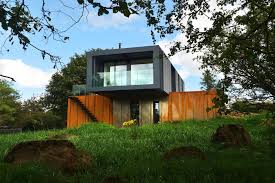
Grand Designs
The original and best Home Show in my view has to be Grand Designs.  The first episode was aired in Spring 1999 by the delightful Kevin McCloud and he remains an integral part of the show – long may he continue – I cannot imagine the show without him.  I find his voice very calming and I love his story telling – and I think that is what makes the show so popular – is that you really invest in the story of these home builders and the ups and downs of their build – although mostly downs with delays and budget increases the norm.  But the final part of the story normally shows that the house builders triumph against adversity and most of the homes are truly stunning.  I love the way that if Kevin doesn’t agree with decisions being made along the way he oh so subtly has a little dig at the process in action and his monologue at the end of every episode runs like poetry.
PP.1
Over time this show has expanded and in the UK we now air Grand Designs Australia and New Zealand and of course there are the Grand Design Live shows which take place twice a year which Mr McCloud is again an integral part of.  Long may it reign!
PP2


Escape to the Country
For my second choice, a current favourite has to be Escape to the Country, and although the repeats shown nowadays are several years old it always has me dreaming about living in romantic cottages and barn conversions surrounded by fields and nature.  This show is different in that there are several presenters in rotation and they have a feature about country pursuits be it bird watching or lama farms it brings a something extra to the show.  They normally show the “escape searchers” 3 properties per show, with the last one being the ‘mystery house’ which goes somewhat off-spec and challenges their list of priorities and breaks the boundaries of what they think they are looking for.  The viewings start with the presenter guiding the viewers through the property and then taking them outside to view the garden or multiple acres of land where they have to ‘guess the price’ of the property – which seems a little pointless in some respects but adds a bit of fun and seems to be unique to this show.


Location Location Location

Ahh, the lovely Kirsty and Phil!  They are now a British institution!  Location Location Location was their first foray into television which sees them take two sets of home buyers every episode in the same area  to help them get a grip of the property market and gently (or not so gently sometimes in the name of Kirsty!) steer them in the right direction.  They normally show each couple around 3 different properties during the programme and take pointers on board during each viewing to try and locate the perfect property for each buyer.

PP5

I love the banter between these two which seems to have increased as the years have gone on.  I would say that their success has been quite high over the years with the episodes often ending with Phil and Kirsty calling the agent with an offer to purchase.  They have covered all areas and budgets over the years.

Relocation Relocation Relocation

This is a variation on a theme with Phil and Kirsty helping people who are interested in keeping a home in the UK but also buying a second property elsewhere in the country or often abroad.

PP6

Love it or List It

Phil and Kirsty’s latest baby – I love this programme.  So often people are in a quandary about whether to stay where they are and extend or to cut ties and move.  Phil and Kirsty to the rescue.  Kirsty is all for staying put, knocking down walls and reinventing the current home.  Phil takes the couples out and about to show them what else they could get for their money – often with stunning results, but for the most part the people decide to stay and love their current place – I guess because they have their hearts and lives invested in their homes.  Interestingly it is most often the women who want to move on and the men who want to stay! – I can imagine myself and hubby having this conversation within the next few years! – although I can’t say I fancy seeing myself on the TV but who knows!

pp11


A Place in the Sun – Home or away

This programme has been going a few years – each episode focuses on someone or a couple pp8.who are again torn – this time one of them wishes to stay within the UK and the other would prefer to move abroad.  One presenter shows them around several properties in this country and then they fly out to their chosen hot spot where they get shown around some beautiful houses and scenery and at the end they choose whether they want to stay at home in the UK or whether they have been persuaded to move abroad.  My favourite presenter on this show is the lovely Jasmine – she has such a lovely way with people and they often end up deciding to move abroad – for the weather, lifestyle, scenery – and because the property is much cheaper they tend to get a lot more for their money.

pp7


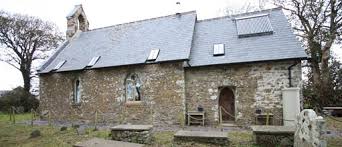
Restoration Man

pp9

Another presenter to come to the fore over the last few years is George Clarke.  He is a trained architect and has presented several shows.  I think this was one of his first where he follows people who are renovating literally old wrecks be them churches, water towers, old mills etc.  You need guts and courage for these projects and he follows the journeys through – also digging into the history of the buildings and presenting a lovely story book to the people at the celebration party at the end.  Some good heart rending stories.
pp10


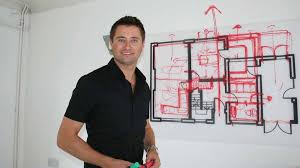
The Home Show

This is another of George Clarke’s shows – I really loved this one.  Each episode he took some homeowners who had fallen out of love with their houses – they just did not work for modern family life.  He would completely empty their homes and spray paint it all white.  He would then call them back, and given their budget he would draw out a diagram on the wall for what he envisaged they could do for their money.  Sometimes there was not enough in the pot to do everything he wanted – but he gave them the best for their money.  He also took them shopping to look for furniture and fittings to sit in the new space.  The end results were usually stunning and just goes to show what can be achieved with a bit of re-modelling and knocking down some walls.
pp12


Old House New Home

This is George Clarke’s new show and is really a variation on the theme above – he takes two sets of home owners whose properties are not working for them and on a relatively small budget makes adjustments, knocks down walls and the end results are stunning!


Building the Dream

pp15

Ahh my favourite new presenter, Charlie Luxton!  He is an architectural designer and this programme is a variation of Grand Designs really.  He takes a couple each episode who wish to build their own home, who already have a plot and plans in motion.  He then looks at their plans and makes suggestions about how with a few tweaks the plans could be improved to make the most of the space – and then follows them through their journey.  Sometimes his advice gets listened to – sometimes not!  The couple are also shown around another house of standing which has been completed so that in the middle of their build when they can’t see the light at the end of the tunnel they get some inspiration as to what their build could become.  At the end Charlie always asks if they have had their house valued and they nearly always have made money by self-building rather than buying conventionally.

pp16.


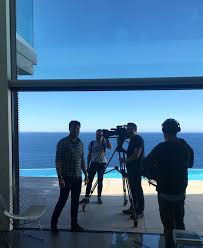
Homes by the Sea/Med

pp19

The presenter here again is Charlie Luxton who takes a sail around the coast picking out some amazing properties to go and visit and talk to their owners who make living by sea sound like the ideal dream.  He has travelled around the UK and last year I saw that he had actually visited my home town and was talking about the places I love!  At the end of each of these programmes he would find a spot and draw himself a fantasy home that would work with the landscape.

pp17

This spring has shown a new series where he has travelled all around the med visiting some jaw dropping properties and stunning scenery.
pp20


Most of these programmes can be found on Channel 4 or More 4 – my most watched stations!  There is also a new channel 25 called Home which shows this type of programme all day long.

So this is a synopsis of some of my favourites.  There are way too many home shows to mention and no doubt several that I still have to discover.   I hope you can tune into some of them.  It would be great if you could let me know what your favourite shows are………….


images courtesy of Google Images



ART DECO STYLE

Welcome, today I am posting another in my occasional series about architecture and style through the ages, taken from my assignment for the Interior Design course I completed last year.  Today I have chosen the art deco style which was largely a very decadent time between the two world wars.

ART DECO

The Art Deco style was representative of the 1930s.  However previous to this, and paving the way, came the Bauhaus movement and which brought with it a new style; The Bauhaus style, prevalent from 1919 to 1933, which was founded in Germany and was also known as the International style, and was marked by the absence of ornamentation and by the principal that ‘form follows function’ and ‘less is more’; harmony between the function of an object or a building and its design.  It questioned the theories of craftsmanship versus mass production which had come before it, the relationship of usefulness and beauty and the practical purpose of formal beauty in a commonplace object.  The style became one of the most influential sources of Modernist architecture and modern design.

Art Deco first appeared in France after an exhibition in 1925 and quickly captured the world’s imagination.  It was an influential visual arts design style which flourished internationally in the 1930s and 1940s before its popularity waned after Word War II.  Conversely the phrase ‘Art Deco’ was not coined until the 1960s.  The design style encompassed everything from jewelry, art, ceramics, cinema, furniture and interior design as well as architecture itself.  It is an eclectic style that combines traditional craft motifs with machine age imagery and materials. The style is often characterized by rich colors, bold geometric shapes, and lavish ornamentation.  Art Deco emerged from the time intervening the war years when rapid industrialization was transforming culture. One of its major attributes was an embrace of technology. This distinguishes Deco from the organic motifs favoured by its predecessor art nouveau.  During its heyday, Art Deco represented luxury, glamour, exuberance, and faith in social and technological progress.  America, and in particular Hollywood embraced this new era.  The austerities imposed by World War II caused Art Deco to decline in popularity: it was perceived by some as gaudy and inappropriately luxurious.

Each Country interpreted the architecture slightly differently but in essence Art Deco was a streamlined style and took inspiration from the age of the great Ocean Liners from the beginning of the 20th century.  Art Deco was also known as Moderne, with an ‘e’ to differentiate it from more progressive modern architecture.

1848-118547
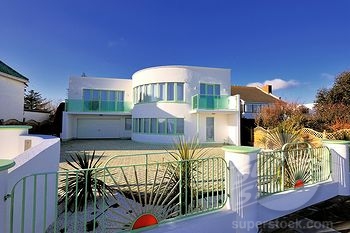
For my chosen image I have selected a property from Architect Oliver Hill who visualised a two hundred acre site in Frinton-on-Sea, Essex and an estate of more than 1000 art deco houses was planned.  It was started in 1934 but was never completed and the development stopped in 1936.  Co-incidentally he also designed The Midland Hotel on the North Coast which opened in 1933 and is another Art Deco gem.

art deco 1
Art Deco emphasized geometric forms and shape: spheres, polygons, rectangles, zigzags, chevrons and sunburst motifs. Elements were often arranged in symmetrical patterns and modern materials such as aluminum, stainless steel, chrome and plastics were frequently used. Stained glass inlays and lacquer were also common. Colors tended to be bright and high-contrast.

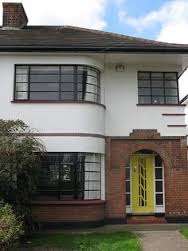
The house has a very elegant look.  The white, and quite often, box-like architecture with crisp horizontal lines, was broken by vertical columns and large windows and doors. As in this property where the walls were curved the windows would wrap around the curve.  The windows were made of metal frames, with the first floor windows sitting directly over the ground floor and broken up into many panes.  Art Deco doors were most typically partially paned with stained glass imagery of bold shapes and colours.  In contrast the exterior walls were clad in white concrete or ‘snowcrete’, designed to reflect the sun and keep the inside cool.  Long lines of windows were designed to let as much light into the house as possible.  It was a feature that architects in 1934 recognized as ‘having a beneficial effect upon the health of the occupants’.  The ‘best rooms’ previously at the front of the house were moved to the back away from the road.  This increased privacy and also meant that best rooms would open onto the spacious garden.  Chimneys much less prominent than in previous styles.  In fact with a rounded parapet to hide any notation of pitch the properties often looked roofless from the front.

Flat concrete porches were often a feature together with balconies made from aluminum and large front gardens.  This property has metal gates and railing with the much loved sunray design in a bright contrasting colour.  The property was also built with a garage as Britain had begun its love affair with the motor vehicle.

I can see that this property has rhythm and repetition from the use of the balconies, (and the windows that stand behind them), that stand out on either side balancing out the rather heavily rounded right hand side.  The use of the turquoise colour is then repeated in the gates and railings giving more emphasis to these features and drawing the eye in from the large sweeping garden or driveway.  The rounded columns either side of the main gates are in harmony with the rounded section of the house and this is where the emphasis lies.  Again the colour of the sunray is repeated in the front door to bring about a cohesive, rather beautiful and glamorous design.

Here are some more examples of art deco properties:

ad.6

All images courtesy of google images


The furniture and accessories from this era have a certain glamorous status which is still very popular today and which can easily be accommodated in most modern settings.  The examples below are rather luscious I hope you’ll agree:)


All images courtesy of google images


Small Item Storage

Welcome, it is Bank Holiday weekend here in the UK and although the rain held off the weather has been pretty miserable so it could be the perfect time to carry out some of those oft put off tidying chores around the house.  So carrying on from my storage theme from last week when I blogged about home storage in the form of larger furniture pieces I thought I would tackle the matter of storage for all those smaller items around the home that somehow manage to mount up and can make our houses look cluttered and impractical   – keys and phones are just examples of items that could get misplaced under those piles of paperwork  adding to the daily stress of modern life.

I believe we need our storage to work doubly hard for us – to be pretty and stylish whilst still being practical.   For example in my house I use some clear glass vases to store my tea lights and a cut glass bowl houses some cutlery.  Here are a few examples:


IMG_1434

Practical garage storage

Sometimes it can seem like an overwhelming task when we are busy but my best advice would be to break the tidying and storage down into small achievable chunks tackling a room at a time.  It’s amazing how many piles you can get through in the half hour whilst you are waiting for the dinner to cook!   I always feel such a sense of satisfaction once I have my possessions neat and tidy with everything in its place it is like a weight lifted from my shoulders – I guess I could be described as a tad obsessive about this but for me the adage of tidy space, tidy mind definitely applies and I feel much calmer and lighter.

If you are looking for some inspiration for attractive and practical storage I have added some samples below:

All images above from The Holding Company

Images above from Marks and Spencer

Images above from Next

The above examples can be filled with all manner of items and then stored in cupboards or on shelving and when interspersed with other ornaments, vases or photographs etc can make for an eye catching and pleasing display that will make for a harmonious living environment.


The Benefits of Good Storage

The key to a well organized and efficient home has to be good storage.  This can encompass all manner of storage from defined wardrobe space through to a well placed trinket pot on the hall table to keep keys at hand.

A place for everything and everything in its place so the mantra goes x

We all know that modern life tends to be lived in a whirlwind breakneck pace with many different activities pulling us in all directions particularly if we have children.  But we can save precious moments throughout the day if our homes are well organized.  This has the added benefits of reducing the stress from hunting for those car keys to the de-cluttering of old items no longer used or broken.

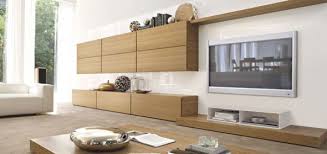
What do we mean by good storage?  Well, we like our furniture to look good, be well made and functional and at a good price and we want it to work hard for us.  Sometimes it is hard to pinpoint the exact piece for a room and if this is the case it can be a good idea to have a carpenter make a bespoke piece for your room  This need not be as expensive as you may think.  In our lounge we had a cabinet and shelves fitted into an alcove beside the fireplace.  Some years later we called the carpenter back to make us a TV cabinet for the other side as we just could not find an off the shelf piece that we liked and it was no more expensive.

storage.5

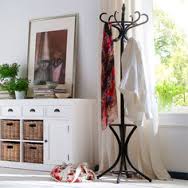
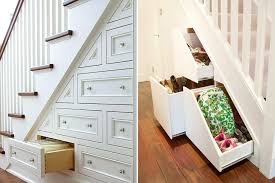
Let us work around the house starting with the hallway – this is often a problem area with a lot of through traffic, coats, shoes, wet dogs etc. It is a great idea to have a unit with some baskets that can contain anything from shoes, gloves, hats etc – if possible one for each member of the family so items don’t get mixed up.  Somewhere to hang coats whether it be a coat stand  or cupboard is essential to save for them all being piled over the banisters.  An excellent idea is to have drawers carved into the underneath of the stairs to take the strain.

storage.6

I touched on the lounge above, they do have to be flexible spaces being the place where family go to relax, watch TV, maybe do homework, hobbies, play computer games etc.

storage.7

Choose pieces that provide that storage but also where you can display a pleasing array of artifacts that you have collected together with photographs etc to make the space personal to you and your family.

Kitchens are notoriously hard to get right in terms of storage – the hardest working room in the house with a plethora of appliances and gadgets – not to mention space for food storage – it really deserves a blog post all of its own – but I think continual de-cluttering is key here particularly with out of date food stuffs that somehow get pushed to the back of the cupboards.  A mix of cupboards and shelves look modern; every day items such as plates and cups can be kept at hand and provide visual interest.  I would suggest that appliances for occasional use get placed in those high hard to reach cupboards if space allows or store in a understairs cupboard or garage.


Turning to the upstairs and with the bedroom in mind if you have the budget it is an opportunity to have some bespoke units which will fit into those awkward nooks and crannies. Alternatively chose a bedroom suite that can be flexible with a mix of plenty of hanging and drawer space and a dressing table area to display lotions and potions.  With this kind of furniture you can always add attractive storage boxes to sit on top of the wardrobes.


Bathrooms – storage in bathrooms can be flexible – re-purpose old shelves and cupboards to sit comfortably in the space to hold all manner of toiletries – again the humble wicker basket (my favourite kind of storage) will work wonders in this room.

storage.15

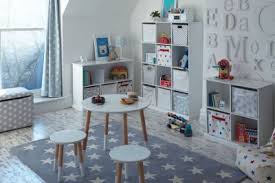
Children’s bedrooms and playrooms are another area where toys and paraphernalia can run out of control.  There are a multitude of systems on the market but a cohesive collection of labelled  baskets/buckets or drawers is a good place to start.  Include some shelving so that they can display their favourite toys or works of art.  Encouraging children to be tidy and organized and setting a good example is a good way forward.


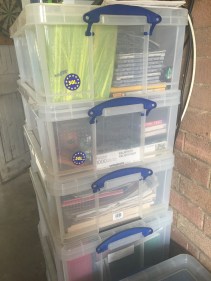
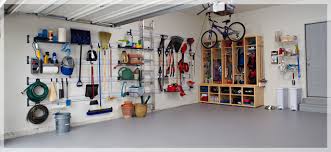
One area of a house that often gets overlooked is the garage – quite often the dumping ground for items broken or no longer wanted it can be a dark place.  The image below shows that with some organization it can be a space to be proud of with everything in place!

storage.18

Of course as well as being practical storage needs to be aesthetically pleasing to the eye –

use a mix of textures – wicker is my favourite – but for storing smaller items a mix of bowls, vases, trays etc can be used.  One on-line store I have used is The Holding Company The holding company  who sell very versatile lines for everything from magazine to shoe storage.  Really though this is a sub-section of the above which I will come back to another time, but for now I hope that you have enjoyed my foray into storage around the home and hopefully have picked up a few tips!

IMG_1385


Architecture Through The Ages

This week is the first in a mini-series I shall scatter throughout the next few months taken from one of the assignments for my course all about architecture throughout the last 5 centuries.  I am starting off with my favourite type of architecture from the Georgian period.

18TH CENTURY HOUSE

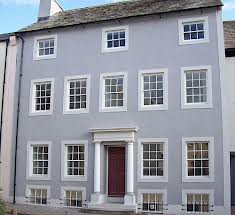
This large 18th Century town house is to be found on Queen Street in Whitehaven and is typical of houses in rows of terraces that were springing up all over the country during the 18th century.

18th century georgian house

By the early 18th century Europe was enjoying a period of relative peace and economic prosperity.  Manufacturing output fuelled by technological innovation made Britain the world’s first urbanised and industrialised society.  It was under this wealth of  circumstances that groups of houses aligned side by side in rows first emerged.  Later called terraces their appearance became synonymous with the four successive King Georges throughout the 18th Century.

However the architecture took influences from the late 17th century and spurred on by Inigo Jones and Palladianism, and the various European architectural books that were published the Georgian architects were producing buildings that followed these clean lines and symmetrically proportioned facades.  It was also the first time that properties were built ‘double pile‘ which instead of arranging rooms side by side around a courtyard, rooms were built one behind one another, two deep, with access via an internal corridor,  under a single roof.  These homes were more compact, allowing for more to be built in the upcoming urbanized cities. This also reduced the amount of walls and roofing and therefore the roofs were designed in a ‘hipped’ style; the four sides slope to the exterior walls of the building rather than creating gables at either end as a pitched roof does and was essential in spanning the deeper double-pile layout.  The neat rows of sash windows and regimented chimney stacks point towards a greater formality in outward appearance.

The windows were divided by thin, delicate wooden glazing bars.  The windows of a Georgian property were always symmetrical and a dominant, elegant feature, but there was a fine balance between ‘a house of glass and a heap of brick’.  The upper windows on many Georgian houses are smaller having only 6 panes as opposed to 12 on the lower floors. This was partly because these were usually only servants rooms, partially housed in the roof but also, from the street level, it has the perspective of actually making the building look taller. Front doors were usually solid and painted in dark colours.  Most usually they were paneled (imitating panelling that was often found internally on walls) with brass wear centrally placed.  Rows of terraces were mostly built of brick and were often rendered and had painted exteriors in an array of colours.  Some terraces, in Brighton for instance, were stuccoed with a white facade, whilst others in East London for example, showed the original brick facade.  However the infamous  Royal Crescent in Bath was built in stone.

This house has a large central classical style doorway. It was quite usual to see steps leading up to the front door with a pedimented porch which would be composed of supporting turned posts or columns which support the architrave; the beam that rests horizontally across the top of the posts or columns.  It could be said that Form not Function was the chief concern of the 18th Century architects and the Georgian period is said to have produced Classical architecture.

Servants rooms were often found in the attic or otherwise sharing the basement but these were often dark, damp places usually noted for storing food and cooking.  In an effort to allow natural light into the lower levels of the building the terrace was set back from the street set back behind neat rows of iron railings.  Access to the ground floor was by a series of steps. It stems from Palladianism that the most beautiful features of a building should be placed most in view; and those of a plainer kind should be concealed from sight as much as possible.

This house has proportion and scale in varying degrees.  The pitch of the roof is small in relation to the height of the building.  The top windows are again small in scale to the other windows which are all of equal size.  Due to the number of windows this is where the emphasis of this property lies and gives it rhythm and repetition and a harmonious feel.  The front door stands out with its large columns particularly with the door being painted in a contrasting colour.  For me this is my favourite period of architecture which I find very pleasing to the eye.

symetrical windows and door

I have added below lots of lovely pictures from the era, including exterior and interior shots:

georgian.m

Images via Google Images

ICONIC CHAIRS

This week I have been thinking about my favourite piece of furniture – an item we use multiple times a day – yes, the humble chair.  I love that there are so many different varieties; different textures, colours and purpose – for dining, for lounging, for working etc.

However there are a sub-section of chairs that stand out from the rest that have become icons in the market – these are more often than not mid-last century design led – and some of my favourite ones I will share below:-


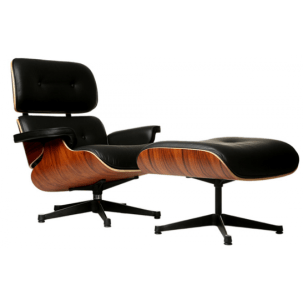
Charles-Eames-Style-Lounge-Replica-Chair-and-Ottoman,-Black-Powder-Coating-SwivelUK.com-20

Eames Lounge Chair & Ottoman

I think that this must be the most coveted of all chairs.  Designed by husband and wife team Charles and Ray Eames, it was their aim to produce furniture that could be mass produced and affordable (more on that later), with the exception of the lounge chair which was designed for the high end market.  The chair consists of three curved plywood shells; the headrest, the backrest and the seat.  Originally the shells consisted of five thin layers of plywood covered by a veneer of Brazilian rosewood.  However this practice was discontinued in the early 1990s and currently production consists of seven layers of plywood covered by finishing veneers of cherry, walnut, and Palisander rosewood (similar grain patterns to the original Brazilian but sustainably grown), and other finishes.  The layers are glued together and shaped under heat and pressure.  The seat cushions are sewn with a zipper around the edge.  The chair first came into production in 1956 – and is still in production today via Herman Miller and Vitra, although other companies produce direct copies.  This is definitely on my wishlist!


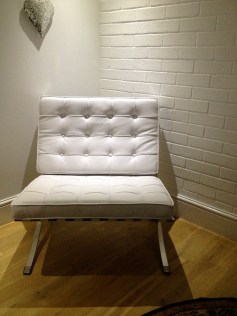
IMG_0259

Barcelona chair

I love the Barcelona chair – this is my one – although not an original one, mind!  This chair was designed by Ludwig Mies van de Rohe (one of the first modernist architects who drove the German Bauhaus Design School in-between the war years).  He designed the chair with his partner Lilly Reich, although she doesn’t seem to get much of a mention these days.  Originally the frame was designed to be bolted together, but in 1950 with the development of stainless steel the chair was re-designed with a seamless metal frame.  The only other change to the design is that cowhide now replaces the expensive pigskin which was used in the original design.  The chair has now been in production for almost 90 years – having first been shown in 1929.  The chair was honored with the Museum of Modern Art Award in 1977 and it just a perfect piece of furniture – modern and timeless.


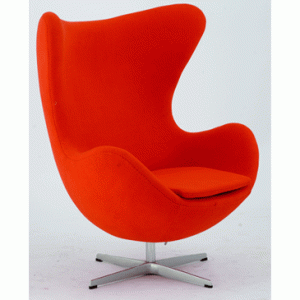
Egg Chair Red

Egg Chair

The egg chair was designed by Danish designer Arne Jacobsen in 1958 and was originally meant to replace the couch or sofa.  They were much in demand due to their unusual aesthetically pleasing looks and comfort, however most of the chairs created were for the Radisson Hotel and were highly expensive.  The originals were covered in two cowhides sown together.  In 2008 Fritz Hansen, the producers of the original chair produced 999 limited edition egg chairs to commemorate 50 years of production.  These were produced in leather and suede and every one has an exclusive number engraved on the seat of the chair.  These days imitations of the egg chair are widely available in a variety of finishes and fabrics.


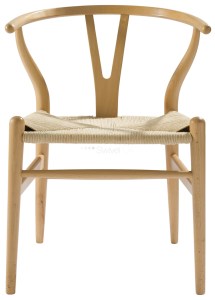
Hans-Wegner-Style-Wishbone-Replica-Chair-SwivelUK.com-335

Wishbone Chair

The wishbone chair is the epitome of the classic dining chair designed by Danish designer Hans J. Wegner.  It is a very simple design but handmade with fine craftsmanship.  The hand weaving of the seat is one of the final processes of the chair’s construction, which is incredibly strong and is reported to have a life cycle of approximately 50 years.  This chair first came into production in 1950.


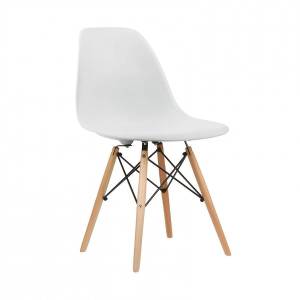
original_eames-style-dsw-chair

DSW Eames Chair

Back to the infamous Charles & Ray Eames who described their ethos as ‘getting the most of the best to the greatest number of people for the least’ – and so this fiberglass chair first appeared on the market in 1950.  The chair was designed for the ‘International Competition for Low-Cost Furniture Design’ which was staged by the urgent need in the post war period for low-cost housing and furniture designs.  The chair came in a variety of colours and bases with there also being armchair and rocker designs.  Initially there was a long period of product development which involved shaping the fiberglass material with metal molds using a hydraulic press.  The armchair was the first one-piece plastic chair whose surface was left uncovered and not upholstered.   The chairs are still in production today by Herman Miller, Modernica and Vitra with each using a different material for their chair.  Vitra discontinued production of the fibreglass shells in 1993 and now uses polypropylene which is a more environmentally friendly material.  This is the chair I am hankering after for my new kitchen update!


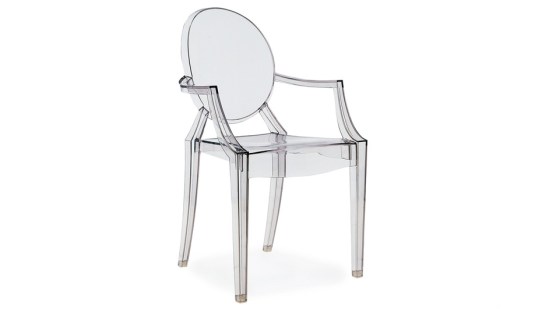
Azure-30-Chairs-Ghost-Kartell

Louis XV Ghost Chair

This chair is relatively new, being designed in 2002 by Philippe Starck who was more renowned as a luxury hotel designer.  He collaborated with the Company Kartell during the 80s and 90s with a view to adding his flair to their ethos of developing eco-friendly, contemporary plastic furniture.  Indeed the chair has been developed with the use of polycarbonate recyclable plastic.  With influences taken from the classic Louis XV armchair,  the result is a post-modern fusion of innovation and historic style.  I admit I do own one of these chairs which sits in my office/study and has become a modern classic; in fact I have read that it is the most popular ‘original design’ in history.


Well that is the end of my brief look at a selection of iconic chairs but there are endless other georgeous chairs on the market, so please feast your eyes on the ones below:)


Information sourced from Wikipedia and images from Google images

EN-SUITE HEAVEN!

This week I am writing about something very exciting which all came together earlier this year. Finally, we have our new en-suite shower room completed, after waiting well over 12 years!

Yes, when we originally had an extension to our house around 18 years ago we had built an en-suite which at that time was a luxury, and still is. We had a fully tiled space with a reasonably sized shower, standing basin and toilet. However, before too long the new shower started leaking down into our garage and after some investigation there was nothing for it but to rip the shower out…… and this is the way that it stayed for the next 12 years or so. We could still use the toilet and sink but it was always in our plans to update it, however somehow something else always seemed to take priority and our new shower always got shunted to the bottom of the pile.

Unfortunately I don’t have any photographs from those days but needless to say it was full of 90’s style tiles – dark apricot colour with the occasional flower motif and vinyl flooring. So during last year we decided to make this long forgotten room a priority and put it to the top of our list.

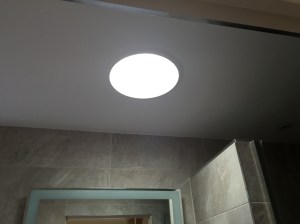
During the intervening years our neighbours had built an extension which annoyingly had blocked out a great deal of light coming through the small window and the room seemed quite dark, so the first thing we did was to have installed a Velux sun tunnel. This is an ingenious idea where a hole is cut into the roof and a reflective tube is fitted that sits into the ceiling bringing in lots of light, as you can see below:

IMG_1325

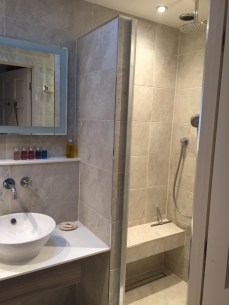
The revamped en-suite had been in the pipeline for so long that I knew in my mind exactly what I wanted and during last summer I began researching products and companies who could pull the look together. I finally settled with a local company and was introduced to Greg and who I immediately felt at ease with and our initial appointment with him lasted around 2 and a half hours, with us being the last people to leave the shop!  He look the room’s measurements and tried various designs on his computer.  I had explained that my vision for the room was a wet-room – as we had had previous leaking into the garage we wanted the whole area sealed to prevent a repeat of this, and I imagined a spa-like finish which included a wall hung toilet and basin, a glass partition with walk in shower area and also key to my design was a seated area within the shower itself.  Greg played around with various options but was unsure how the sink design would fix to the glass partition.  He then came up with the idea of building a three quarter height wall and building the seat to fix in-between the walls.  I loved this idea!  From then on the ideas flowed – a small wall would be built out from the back to house the workings for the toilet and sink – we were to have a drawer unit with white worktop which has a bit of a sparkle to it – and on top of this we chose a round basin with taps hung from the wall.  This look was so different to anything I had lived with before and I could feel my dream coming together.  Greg had the expert knowledge to put it all together and worked out that we could have a shower head which hangs from the ceiling – this is digital  and flashes until the correct temperature is reached (fancy:)!)- we also wanted a second small hand held shower to compliment the showering experience.

IMG_1232

As just seen here, ceiling shower together with handheld

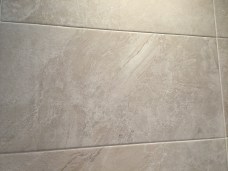
Once we had the design settled we had to impatiently wait for a start date for the work to commence – and one last job to chose the tiles.  Greg had lent us a sample tile upon our initial visit and no matter how many I looked at, nothing beat that initial tile – and of course they were expensive Italian Porcelanosa tiles – but, hey I have expensive taste!  We have large oblong tiles for the wall and square for the floor providing a touch of contrast.

IMG_1237

Greg’s recommended builders did a grand job – although it came with the usual big clean up once they had finished – and it took nearly a couple of weeks to fit.  Here are a few pics of the finished room:


We are so pleased with the result – it makes all those years of waiting worthwhile – and I feel we have the best design (we had a previous design drawn up some years ago, but it wasn’t a patch on what we have now).  Showering is now a treat – and the best thing – sitting down on the bench to shave my legs!   Of course I am still looking for the perfect accessories to complete the look, but nothing too much; my aim is to keep it minimal.  Hope you like:

Finally, a couple of weeks after our room was complete the showroom sent out their resident photographer who worked her magic and featured us in their blog which please read through here Lifestyle Blog

Please check this out as the photographs are much more detailed than mine and there is also a lowdown on the products used


KITCHEN IN PROGRESS

Hi there, and welcome

Following my opening post which I hope gave you an insight into all things important to me (well aside from family and friends which goes without saying of course!) , I thought I would continue with my latest project.

As mentioned in my first post, having completed the interior design institute on-line diploma towards the end of last year – mostly because I find the subject endlessly fascinating but also to prove to myself that indeed I could apply myself to distant learning and follow the course through to the end and gain the certificate!  The course became like an old friend over the couple of years it took me to complete and I learnt such a lot that once I had finished it, and after a break for Christmas, I went on to sign up for one of their advanced modules in Home Staging.  Home Staging is mostly used by stylists and interior designers when dressing a property for sale – to make the property  appeal to a wide range of purchasers who can envisage the house suiting their lifestyles.

For my assignment I have to choose a room to update and dress for sale.  I have decided for this to be our kitchen as I feel this is a weak point in our house.  I make no secret of the fact that in the future I would love to move to somewhere a little further in the country to look out on green fields – it may be pipe dreams but if we were to put our house up for sale then the kitchen would be the room to dress.  Now, before I go any further I must add that this is an interim step as again, in my dreams, what I would really like to do is to knock through into the dining room – take down an old conservatory we have at the back of the house – add a small extension in line with another we have to the side of the house – and have a large open plan kitchen/diner with bi-fold doors onto the garden.  However, as we have not won the lottery nor the premium bonds – the steps I am making are the next best thing.  Please check out my Pinterest page for my dream kitchen looks My dream kitchen board

So, here are a few pictures of my kitchen prior to my update.  Basically it is a perfectly good kitchen but unfortunately stuck in the nineties with all that varnished pine that is not so fashionable these days, and quite dark.

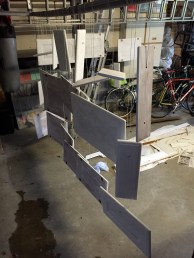
My initial thoughts were to buy some furniture paint which says on the tin no need for sanding down – just paint straight onto the doors.  In my naivety I hoped this were true but unfortunately this has turned into a much larger and more expensive project than I had hoped!  Hubby jumped into the rescue and basically dismantled the unit doors and trims – and hung them as an art installation in the garage!

IMG_1297

Here they have been sanded, wiped down and painted with 3 coats of undercoat before 2 coats of the furniture paint – what a job!  I was hoping to get the work done over the Easter break as I had a few extra days off but I have now had to return to work and hubby has been a hero finishing things off for me.  He has finished the standing units in the kitchen and hopefully will be moving onto the doors next week.  We have decided to repaint all the kitchen walls as well as purchasing new door and drawer knobs as the original ones were worn out after 18 years of use!  We are also replacing the worn out kickboards with some nice new chrome legs opting for the more open look that is popular today.  Here is a photo of progress to date, I am so pleased with my lighter, brighter units

IMG_1298

Lovely new off-white units

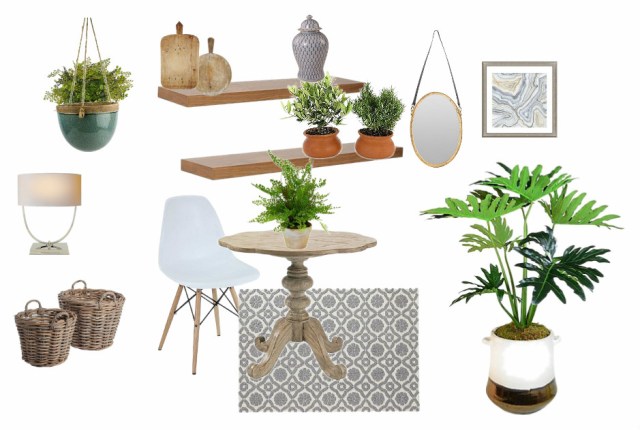
I have been gathering thoughts in my mind as to the finished look of the kitchen and have made a sample board through Olioboard as below:

OB-My kitchen April 2016

Unfortunately I could not find the exact items I had in mind but it gives you an idea of some of the accessories I will be looking to source to give the room a more relaxed lived-in vibe to bring in the idea of living/eating in the room that appeals to people these days.  The idea of home staging is that you de-personalise your rooms, so that when prospective buyers come to view they can imagine themselves living in the space.  So to take my photographs for my assignment I will take out the few photo frames that I normally have on display but shall return them afterwards to make the space special to our family.  I wish I could replace the kitchen floor tiles as I am so over them but when I looked into painting them I decided that they could get easily chipped and likewise with placing some vinyl over the top I read that through use the lines of the tiles show through so I have decided to purchase a complimentary flat weave rug to lay down and cosy things up a bit.

Well we have a lot of work to do and I also have to wait until next pay day to purchase all the accessories!  However I am hoping that we will finish the room by the end of the month as I am hoping to start on the next room during May! Yes, I have plans for my house this year – putting all that I have learnt into action!  So I will come back to my kitchen in a few weeks to show you the finished result, just hoping that it is enough to pass my assignment!


Welcome to my blog!


I have been planning writing this blog in my mind for so long I can’t believe I am actually here!  My name is Annette and  I am passionate about visual imagery and interiors; particularly how our living spaces can make us feel; the psychology that our surrounding spaces have on us – whether they make us feel energised or conversely relaxed and calm. Maybe if we have a lot of outstanding DIY to undertake our homes can make us feel stressed and despondent.

So I have decided to start a blog all about this subject, fuelled on by my recent graduation and diploma from the on-line course with the interior design institute.  I am now looking forward to pulling together cohesive schemes for my interiors. My areas of particular interest are organising schemes that give flow and harmony to rooms whether that be from the colours used – through to fabrics, furnishings and accessories. I have just commenced the interior design institute’s advanced module in home styling which will further enhance my understanding of how to pull schemes together which is particularly useful for when you may wish to sell your home.

Along with my love of interiors the other main passion in my life is exercise and fitness.  I believe that exercise is as good for a person’s mental wellbeing as for their physical state.   I honestly can’t remember ever coming back from a training session wishing that I had stayed under the covers or settled down on the sofa.  As soon as the blood starts pumping and the adrenaline kicks in I just get a buzz.  I indulge in the gym, aerobics, body balance (mix of yoga, pilates and tai chi), swimming and running and I am the first to admit that I am not the fastest or most supple, but I enjoy what I do and I think that is what counts – when the music on my ipod gets me through a mega session on the cross-trainer and in my mind I am in the middle of a club with disco balls shining!  So I will have a category for fitness; what I am up to and any events going on.

IMG_1208

As you can see from above music plays a big part in my life.  From around the age of 10 I have listened to the radio and don’t feel right if I don’t have a soundtrack playing in the background.  Of course there were some great songs and artists when we were growing up in the 60s, 70s and 80s but on this blog I would like mainly to concentrate on some of the great current artists shining through which I think are worth sharing.

Another of my categories for the blog will be everything fashion and style – I do love to shop!  Although like most of us I do have to reign it in  but there is no harm in dreaming about that £600 Mulberry handbag!

IMG_1215

Along the way I am sure I have had many fashion disasters, but like to think that now, at shall we say a more mature age, I have managed to find ‘my style’, although it has to be said I am still partial to a touch of leopard print!


I shall also be documenting holidays and days out and about.  I enjoy nothing better than a day out in London going to visit an exhibition or gallery, just soaking up the history and culture.  I recently visited the V&A Museum to see Shoes – Pleasure and Pain – which was an invaluable insight into shoes throughout the ages.  I am also a member of the National Trust and get a real sense of nostalgia when looking around their historical buildings as well as a sense of paying my part for the upkeep of our outstanding British heritage.

IMG_0870

Wimpole Estate

So here we are, a quick overview of the essence of my blog.  I hope you will enjoy reading it and pick up a few tips along the way!  I am hoping to blog on a weekly basis, maybe more if I have been particularly busy!  So until next time…………….